Key takeaways
- The booth price is the smallest line item — all-in, a 10×10 at a major food show runs $15K–$40K.
- Brands walk shows to see products, not production lines. Co-packer booths collect tourists by default.
- Shows pay when the calendar is booked before the doors open — pre-show outbound is the multiplier.
Every spring, hundreds of co-packers write five-figure checks for three days of foot traffic. Some sign anchor contracts that pay for a decade of booths. Most collect a stack of business cards from 500-unit hobbyists. The difference isn't luck — it's whether the show is a channel or a habit.
The all-in number nobody budgets
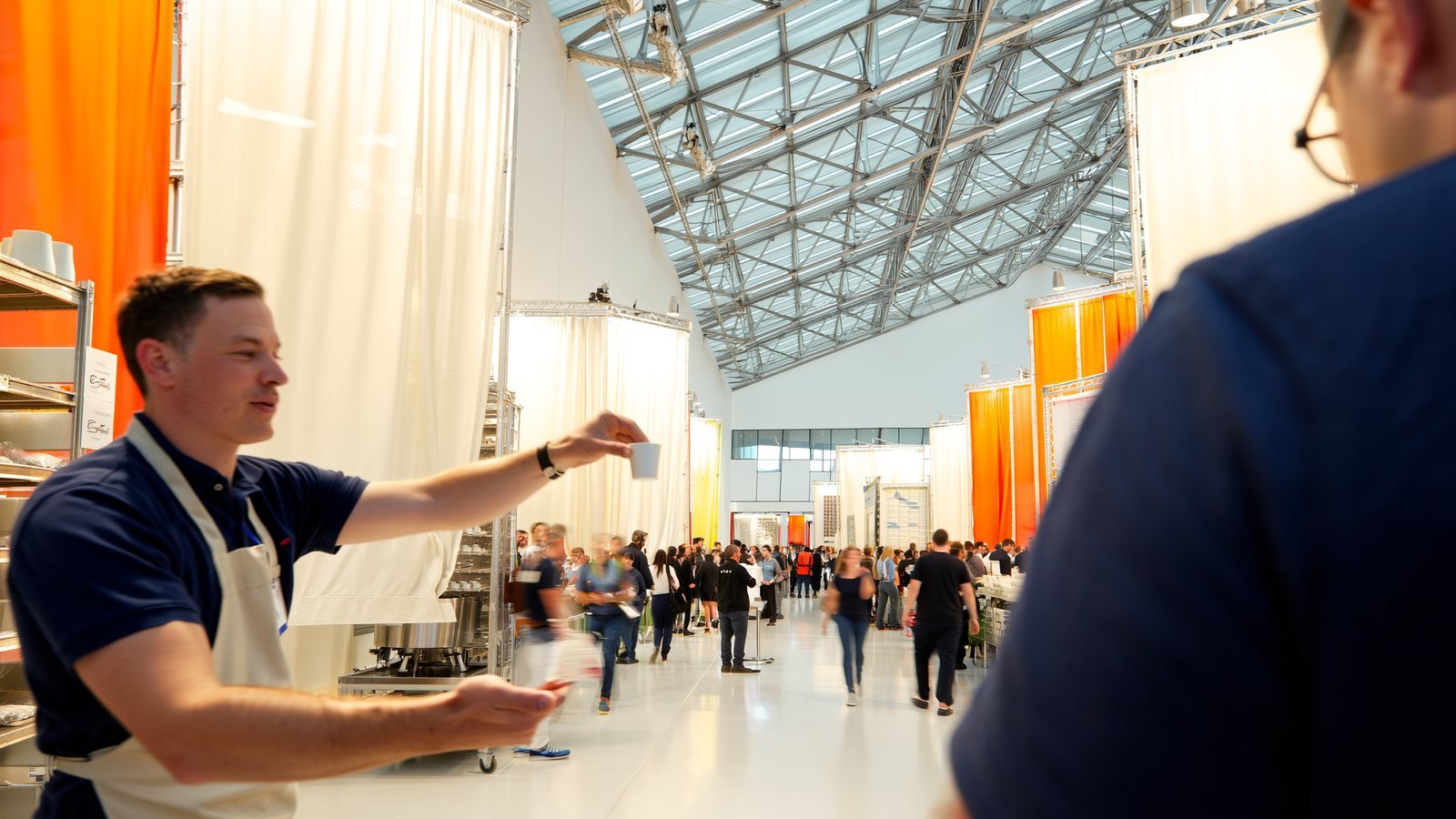
The booth is the visible cost: roughly $4,700–$11,000 published for a small space at a major natural foods show. Then the invisible stack: build and furniture, sampling and refrigeration, shipping, travel and hotels for two or three people, and a week of your best people off the floor. Realistic all-in for a modest 10×10: $15,000–$40,000. A 10×20 with a real build: $30,000–$70,000.
Why co-packer booths collect tourists
Brands walk shows to see products, buyers, and trends — not to shop for production lines. The founder who urgently needs a co-packer isn't strolling aisles; they're dealing with the co-man who just dropped them. Your booth meets brands at the wrong moment of their capacity journey.
The math that decides it
Count backward from contracts, not conversations. If a show costs $25,000 all-in and historically produces one signed brand every two years, your cost per contract is $50,000. Against that: an outbound program booking meetings with the same exhibiting brands — the exhibitor list is public months in advance — at a fraction of the spend. The strongest co-packers do both: book the calendar solid before the doors open, use the booth as the meeting room. (Playbook: finding CPG brand customers.)
Keep, shrink, or cut
- Keep if the show produced a signed contract in the last two cycles AND you book pre-show meetings.
- Shrink to walking the floor with a booked calendar if the booth produces conversations but no contracts.
- Cut if you can't name the last contract the show produced. Sentiment isn't a line item.
Frequently asked questions
Q-01How much does it cost a co-packer to exhibit at Expo West?
Published booth rates run roughly $4,700–$11,000 for small spaces. All-in — build, samples, refrigeration, travel, staff time off the floor — small exhibitors typically clear $15,000 and often far more.
Q-02Are trade shows worth it for contract manufacturers?
Only with a system around them: meetings booked 4–6 weeks before the show, a same-week follow-up process, and honest cost-per-contract accounting afterward. A booth alone mostly collects business cards.
Q-03What's the alternative to exhibiting?
Work the show without the booth: the exhibitor list is public. Booking meetings with exhibiting brands costs a fraction of exhibiting and targets companies already investing in growth.
Written by
Murtaza Udaypurwala
Founder, Feed The Line · Director, DESENO Media Agency
Murtaza runs Feed The Line, the outbound revenue engine that fills co-packer lines with qualified CPG brands. He writes about capacity economics, MOQ math, and pipeline for food & beverage plant owners.
DESENO ↗