Key takeaways
- SaaS cold-email playbooks fail in manufacturing — buyers are owners, decisions need plant visits, and trust moves on voice.
- The list beats the copy: brands showing capacity signals convert at multiples of any cleverly-worded blast.
- Never send from your primary domain. One bad month can burn a 30-year-old company name.
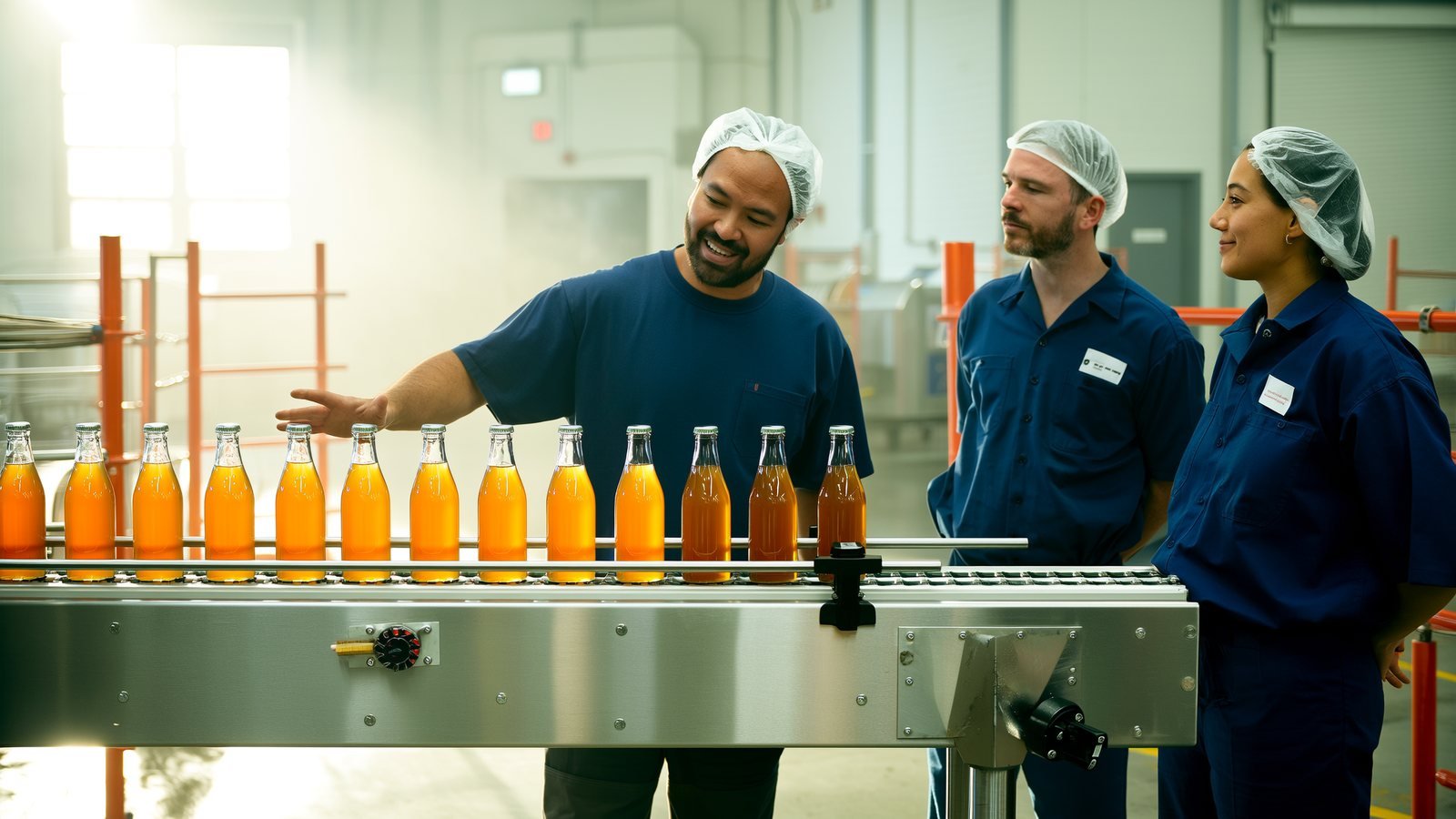
Most cold-email advice was written for software companies: free trials, desk-bound buyers, one-week sales cycles. Food manufacturing has none of those. The buyer is an owner or ops leader who lives on the floor, the decision involves a plant visit and a trial run, and the deal takes months. Different game, different rules.
The list matters more than the copy
The highest-converting email in the world dies against the wrong list. Build yours from capacity signals: brands that just closed funding, landed a retail expansion, posted supply-chain roles, or watched their co-packer get acquired. A brand three weeks past a 500-store listing doesn't need convincing that they need capacity — they need to know you exist.
The message: specs beat adjectives
"We're a leading turnkey solutions provider" gets deleted. "We run a dedicated sauce line at an SQF-certified plant 40 minutes from Columbus — 15k-unit MOQ, slack capacity from January" gets a reply. Every credible sentence in this industry contains a number: line speed, MOQ, cert, distance, date.
Protect the plant's name like an asset
Send from lookalike domains you provision — never your primary domain. Warm them for two weeks before real volume. Keep per-inbox volume at 20–25 emails a day under Google and Yahoo's bulk-sender rules: SPF, DKIM, DMARC, one-click opt-out, complaint rate under 0.3%. A 30-year-old company name is not a thing to gamble on deliverability physics.
Pair the email with the phone
This is a phone-and-handshake industry. Email opens the door; a 15-minute call within 48 hours of a warm reply is what books the meeting. Plants that skip the call step watch warm replies go cold in their inbox. What happens after the call is booked? The full path from first call to first run.
Frequently asked questions
Q-01Does cold email work for manufacturers?
Yes — when it's specific. A capacity email with real specs (line, certs, MOQ, capacity window) sent to a brand showing a capacity signal reads as relief, not spam. Generic 'we do co-packing' blasts fail.
Q-02What reply rate should a manufacturer expect from cold email?
Plan on low single digits with database-grade lists, better with signal-verified lists and real personalization. Judge campaigns on qualified conversations, not raw replies.
Q-03Is cold email legal for B2B in the US?
Yes under CAN-SPAM: accurate sender identity, a truthful subject line, a physical postal address, and a working one-click opt-out honored promptly. The UK's PECR has a corporate-subscriber exception for B2B.
Written by
Akash Garg
Director, DESENO Media Agency
Akash is Director at DESENO Media Agency, the studio behind Feed The Line. He writes about how food & beverage manufacturers turn plant capability into positioning, pipeline, and signed contracts.
DESENO ↗