Key takeaways
- Who buys the ingredients sets your cash exposure, margin, and risk — the model name is just vocabulary.
- Turnkey adds a 10-20% materials markup but floats $40K-$70K per run; tolling risks almost nothing and earns like it.
- Most $2-15M plants land on a hybrid: the plant buys the commodities it already sources, the brand ships the proprietary stuff.
Tolling vs turnkey co-packing gets explained all over the internet — almost always for the brand picking a co-packer. You're on the other side of the dock. For the owner of a $2-15M plant, the decision comes down to one question: who buys the ingredients? That answer sets your cash exposure, your margin per unit, your quality risk, and who eats the loss when a launch slips.
The Two Models, in Plant Terms
Tolling — toll manufacturing, toll processing, same thing. The brand buys the ingredients and packaging, ships them to your dock, and you charge a fee to convert them into finished cases. Your invoice covers line time, labor, and overhead, plus margin. You never own the materials.
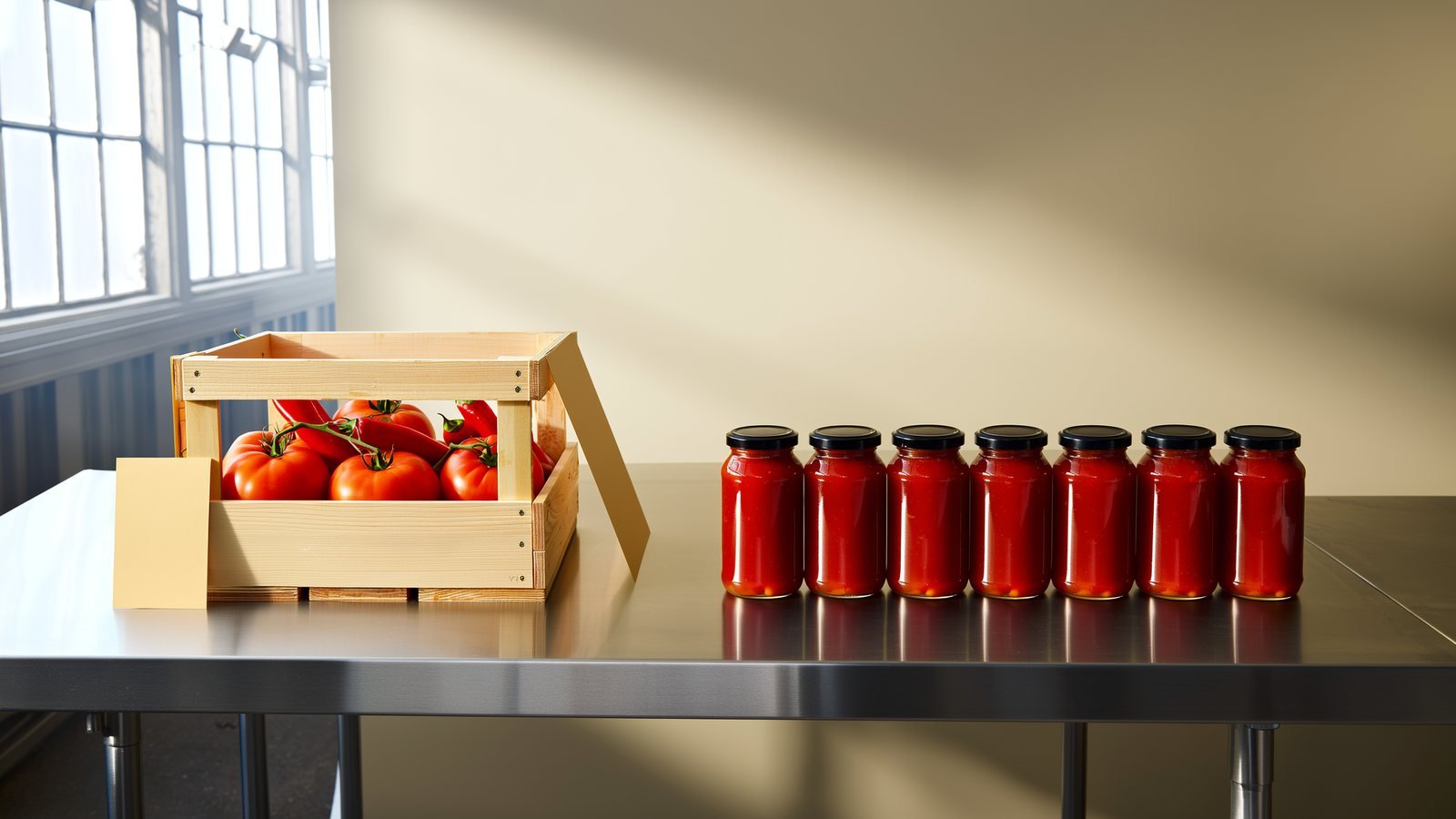
Turnkey contract manufacturing flips it. You source everything — ingredients, bottles, caps, labels, corrugate — run the product, and invoice one all-in price per finished unit. The brand sends a PO and receives pallets.
The vocabulary blurs constantly. Private label, co-packing, and contract manufacturing get used interchangeably, and half the brands emailing you don't know which one they're asking for. Ignore the labels. Follow the raw-material purchase orders. Whoever issues them owns the model — and the risk.
Tolling vs Turnkey Co-Packing: The Cash Math
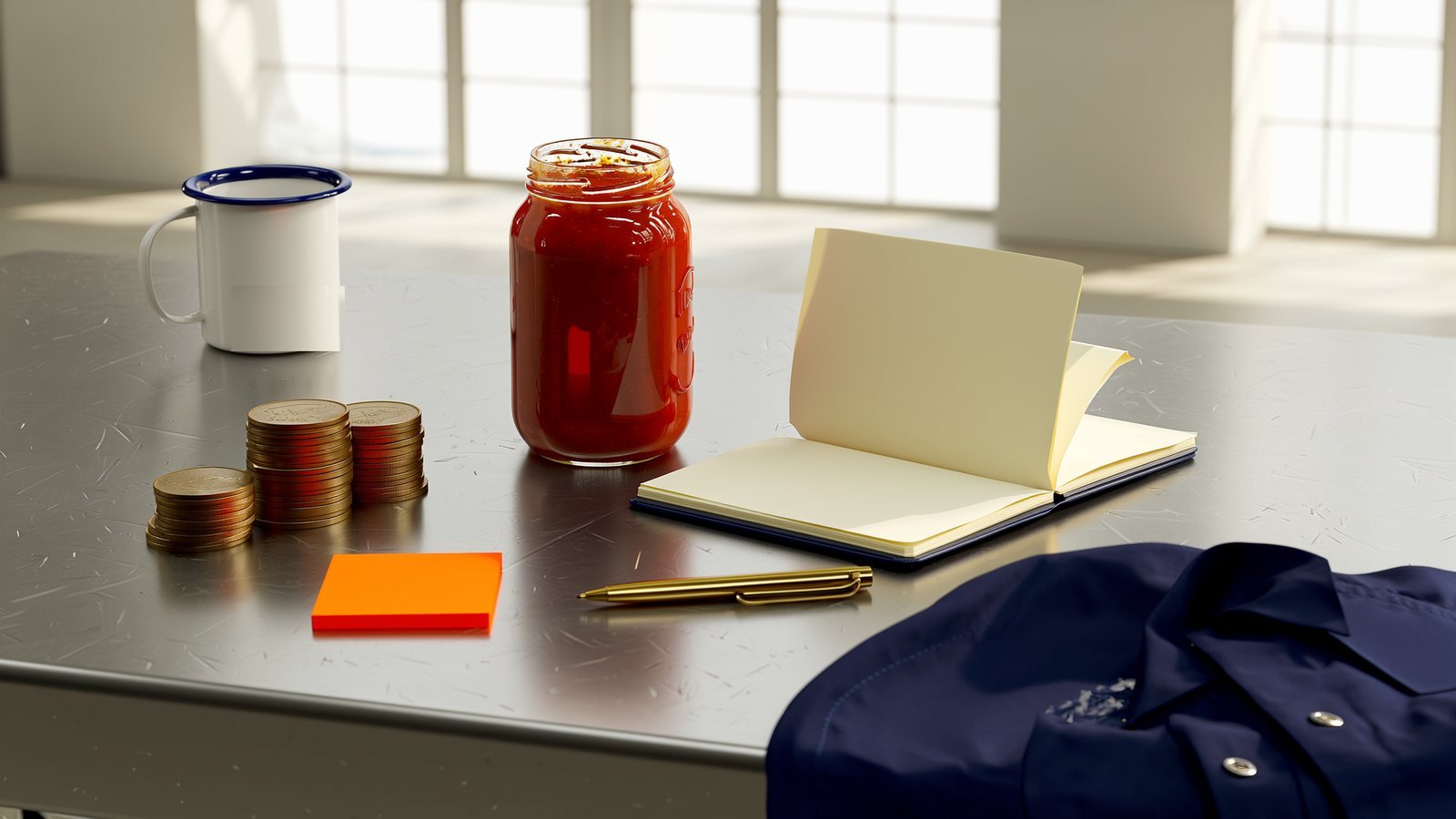
Run the numbers on one turnkey job. A 40,000-unit sauce run, materials landed at $1.10 per unit. That's $44,000 of your cash committed four to six weeks before the run — glass has lead times, and suppliers want payment before your customer pays you. The brand is on net-30, which in practice means net-45. You're floating $44,000 for 60 to 90 days.
Now multiply. Five turnkey customers running quarterly and you've got $200,000-$400,000 of working capital living inside other people's inventory. That's a forklift. That's a filler rebuild. That's the bank line you wanted for the new room, spent on tomato paste.
The same run as a toll job: the brand's $44,000 sits in your warehouse as their inventory. Your exposure is roughly one payroll cycle. Here's the side-by-side:
| What's at stake | Tolling | Turnkey |
|---|---|---|
| Who buys materials | The brand | You |
| Your cash in a 40,000-unit run | About one payroll cycle | $40,000-$70,000 for 60-90 days |
| Revenue per unit | $0.35-$0.65 processing fee | $1.60-$2.20 all-in |
| Margin source | Line time and labor only | Line time plus 10-20% materials markup |
| Yield loss past the allowance | Brand's problem | Yours |
| Launch slips 90 days | Idle line time | Idle line time plus aging inventory you own |
Margin per Unit: Turnkey Pays More — If You Collect It
Of all the co-packer pricing models, turnkey looks best on paper. The standard materials markup runs 10-20%. On that $44,000 bill of materials, that's $4,400-$8,800 per run you never see under tolling — often more than the processing margin itself.
But turnkey margin leaks. Yield loss past your quote comes out of your pocket, and 2-4% shrink on a tight quote can erase the markup entirely. Commodity swings between quote and run date are yours unless the contract says otherwise. A pallet of caps that shows up out of spec is your claim to chase, not the brand's. Under tolling, every one of those problems belongs to someone else.
So price the model, not just the line time. Build the fee the same way you'd price any co-packing service — from loaded line-hour cost up — then quote materials handling, markup, and carrying cost as their own lines. If a brand wants turnkey but balks at the markup, they're asking you to be their bank for free.
When to Insist on Tolling
Some jobs should never be turnkey, whatever the markup. Hold the line when you see:
- An unproven brand. First-time founders miss launch dates. If they ordered the materials, a slipped launch costs you line time. If you did, it costs you $44,000 with a shelf life on it.
- Proprietary or exotic ingredients. Their trademark chile blend from one supplier in Oaxaca? They buy it. You don't want spec responsibility for something you can't source twice.
- Slow payers. A brand that pays in 60 days is already borrowing from you. Don't lend them the ingredients too.
- Your own tight quarter. If the bank line is committed to the new HTST skid, tolling keeps revenue coming without another draw.
When Turnkey Pays
Turnkey earns its keep in three situations. First, when the brand has real purchase orders behind it — a retailer reset date, a distributor commitment. The launch risk that kills turnkey mostly disappears when a chain is waiting for the product.
Second, when their bill of materials overlaps yours. You buy vinegar by the tanker and glass by the truckload. A 500-case brand buys both at boutique prices. You can mark materials up 15% and still land below what they'd pay on their own — margin for you, savings for them, nobody's mad.
Third, when you want the account to stick. A tolling customer can move to another plant by redirecting their next ingredient PO. A turnkey customer has to rebuild a supply chain to leave. Stickier revenue is worth carrying some float.
Deposits change the math too. Fifty percent of materials up front is a normal ask, not an insult. A brand that refuses is telling you something about the launch.
The Hybrid Most Plants Actually Run
Pure tolling and pure turnkey are the textbook cases. Walk most plants and you'll find the hybrid: the plant buys the commodities, the brand supplies the special stuff.
Picture a 38-person sauce plant in Ohio. It buys vinegar, sugar, salt, and standard glass on its own contracts — items it already purchases at volume — and marks them up 15%. The brand ships its proprietary spice blend and its custom shrink sleeves. The plant earns markup on 80% of the bill of materials with zero spec risk on the strange 20%. The brand keeps control of the only inputs it actually cares about.
The hybrid also fixes the quality problem tolling creates. Brand-supplied materials are the ones that show up warm, short, or out of spec — and put your line on hold at 6 a.m. The fewer mystery totes on your dock, the fewer holds on your schedule.
Write the Model Into the Agreement
Whichever way you land, the model belongs in writing. A toll processing agreement needs an inspection window for brand-supplied goods, a 2-3% yield allowance, storage fees after a set date, and clarity on who insures brand-owned inventory sitting in your building. A turnkey deal needs price reopeners tied to commodity moves, a deposit schedule, and ownership language for finished goods awaiting pickup. All of it sits alongside the rest of what a co-packing agreement should include.
One last point. Running both models isn't just an operations choice — it widens who you can say yes to. "Toll your first run, go turnkey at volume" meets a brand exactly where its cash is, and a concrete offer like that is what makes outbound for co-packers get answered instead of deleted. Most plants have the capability. Few ever say it out loud.
Frequently asked questions
Q-01What's the difference between tolling and turnkey co-packing?
In tolling, the brand buys and supplies the ingredients and packaging, and the plant charges a processing fee to convert them into finished product. In turnkey, the plant sources everything and invoices one all-in price per unit. The practical difference is whose cash is tied up in materials and who eats losses from yield, spoilage, or a delayed launch.
Q-02Is tolling or turnkey more profitable for a co-packer?
Turnkey usually earns more per unit because the plant marks up materials 10-20% on top of processing margin. But it ties up $40,000-$70,000 per mid-size run in working capital and shifts yield and shelf-life risk onto the plant. Tolling earns less per unit with almost no cash exposure, which makes it the safer model for unproven brands and tight quarters.
Q-03What should a toll processing agreement include?
At minimum: an inspection window for brand-supplied materials, a yield or overage allowance of 2-3%, storage fees after a set number of days, and clarity on who insures brand-owned inventory in your warehouse. Without those terms, the plant absorbs losses on materials it never purchased.
Written by
Murtaza Udaypurwala
Founder, Feed The Line · Director, DESENO Media Agency
Murtaza runs Feed The Line, the outbound revenue engine that fills co-packer lines with qualified CPG brands. He writes about capacity economics, MOQ math, and pipeline for food & beverage plant owners.
DESENO ↗