Key takeaways
- A DTC run is a different service than a retail run. Quote it off a different rate card.
- Price every touch: 15-30% unit premium, setup fees, FBA labels at $0.10-$0.20 a unit.
- DTC brands reorder monthly and pay deposits — but vet their velocity before committing line time.
Co-packing for DTC brands looks like easy money until the first PO hits your dock: 3,000 units, four flavors, mixed cases, FNSKU labels, and the brand needs it at an Amazon warehouse in twelve days. It's real business — some of the stickiest you'll ever run — but it's a different service than a retail run. Price it like one.
What a DTC order actually asks of your plant
A DTC brand sells through its own Shopify store, Amazon, or a subscription channel. No distributor. No slotting fees. No 90-day terms with a grocery chain. That changes what they buy from you.
Here's what shows up on a typical DTC purchase order that almost never shows up on a retail one:
- Small runs. 2,500-10,000 units per SKU, not 25,000-plus. They're managing cash and testing flavors, not filling a distribution center.
- More changeovers. Four SKUs at 3,000 units each is four changeovers for the volume of one modest retail run.
- Mixed cases. Variety packs and sampler cartons somebody has to hand-assemble.
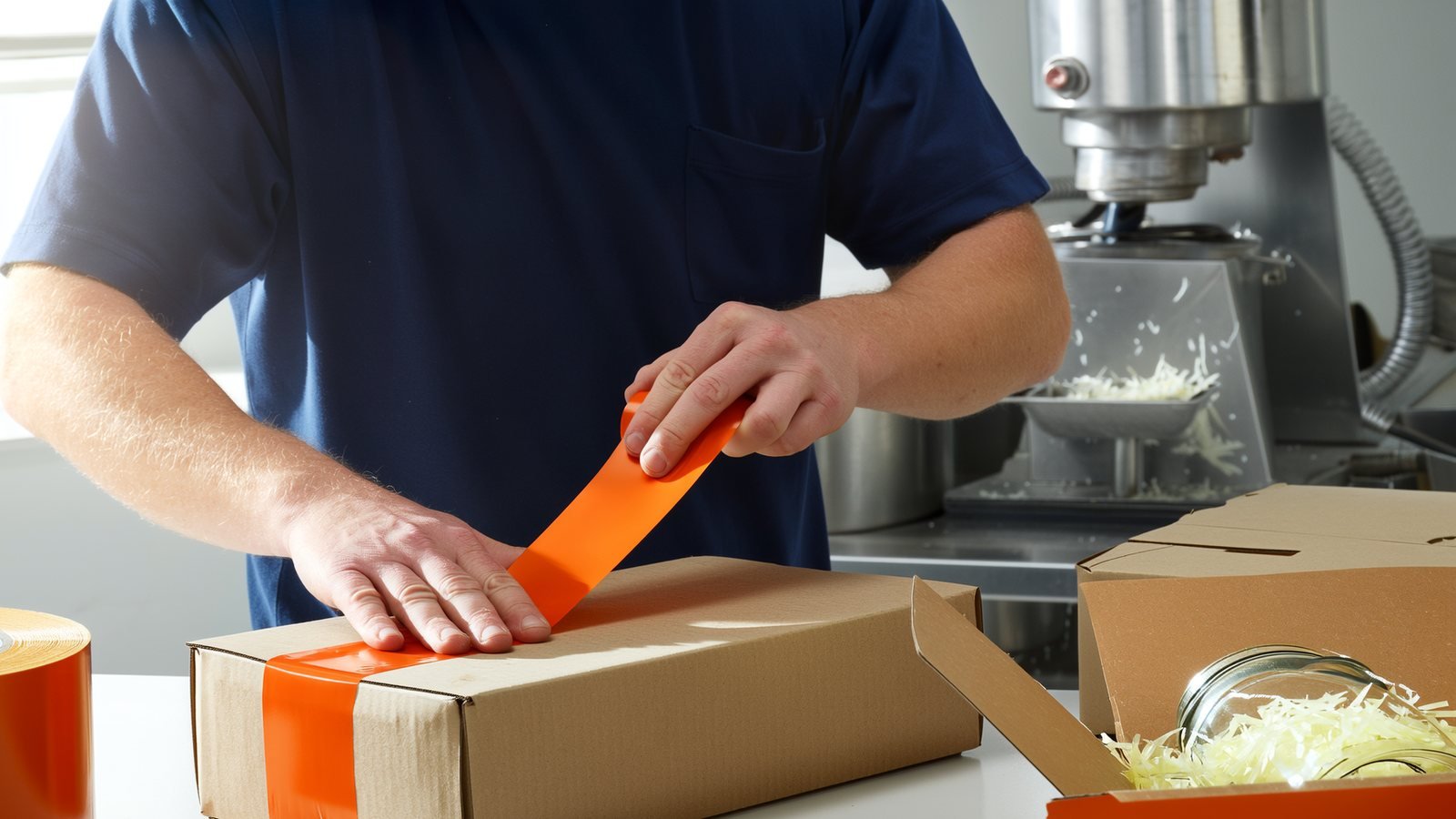
- Amazon FBA prep. FNSKU labels over the UPC, poly bags with suffocation warnings, expiration dates in Amazon's format, case weight caps.
- Faster turns. A DTC stockout doesn't just cost sales — it tanks their Amazon ranking. They'll pay for speed.
- Freight coordination. Shipments go to a 3PL or straight to Amazon fulfillment centers, with appointment scheduling and routing rules that aren't your problem — until they are.
None of this is hard. All of it costs money. The plants that get burned are the ones that quote a DTC run off their retail rate card and eat the difference all year.
Does co-packing for DTC brands fit your plant?
Some plants are built for this work. Most aren't. Be honest about which one you run.
You're a good fit if your changeovers run under an hour, you have a hand-pack line or a flexible packing cell, you can spare 500-2,000 square feet for staging and short-term storage, and your schedule has slack for a two-week turn. A 38-person sauce plant in Ohio with a semi-automated line and a four-person hand-pack table can make real money here. Ecommerce co-packing rewards flexibility over line speed — the plant that can flip between SKUs in 40 minutes beats the plant that runs twice as fast.
You're a bad fit if your lines need 25,000 units to amortize a changeover, your schedule is booked solid with anchor accounts, or you have nowhere to stage mixed-case assembly. Forcing DTC work into a high-speed retail plant frustrates everyone and makes money for no one.
Price the touches, not just the units
Put the two jobs side by side and the pricing logic writes itself.
| Line item | Typical retail run | Typical DTC run |
|---|---|---|
| Run size | 25,000-100,000 units | 2,500-10,000 units |
| Changeovers | One per run | One per SKU, often monthly |
| Labeling | Printed film or standard label | Standard label plus FNSKU application |
| Case format | Uniform case packs | Mixed cases, variety packs, poly bagging |
| Ship-to | One DC, full truckload | 3PLs and Amazon FCs, LTL and parcel |
| Turn expectation | 4-8 weeks | 10-15 business days |
| Payment | Net 30-60 | Deposit up front, balance at ship |
What that means for your quote: a per-unit premium of 15-30% over your retail rate covers the shorter amortization. A setup fee of $250-$750 per SKU per run makes sure line time gets paid even when the run is small. FNSKU labeling costs most plants $0.03-$0.08 per unit in labor and materials; charge $0.10-$0.20. Variety-pack assembly is worth $0.75-$2.00 per finished case depending on the count. And storage — because DTC brands will ask you to hold inventory between replenishments — should bill at $15-$40 per pallet per month, not live rent-free in your warehouse.
If you're setting a minimum lower than your retail floor to win this work, do the arithmetic first. We broke down the MOQ math that protects your margin in its own post. Short version: a minimum isn't a policy, it's a break-even calculation.
The Amazon part, specifically
Amazon FBA prep is where a plant either wins the account or blows it up. The requirements are specific and non-negotiable: an FNSKU barcode covering every other scannable code, suffocation warnings on poly bags over 5 inches, expiration dates in MM-DD-YYYY or MM-YYYY format, cases under 50 pounds, no more than 150 units in a single box. Miss one and the shipment gets refused or relabeled at the fulfillment center — at the brand's expense, with fees attached.
None of this needs new equipment. A prep table, a label printer, and two trained people handle most of it. What it does need is a written spec sheet per SKU, signed by the brand, so "you labeled it wrong" has a paper answer.
Why this business is worth the hassle
DTC brands reorder monthly, sometimes weekly — not quarterly like a retail program. They pay deposits, because they've been burned by co-packers who won't return calls. And once your plant is wired into their 3PL, their Amazon flow, and their replenishment rhythm, switching co-packers costs them enough that they mostly don't. Small batch co-manufacturing relationships that start at 3,000 units have a habit of becoming the 30,000-unit retail runs two years later — with you already holding the business.
They're also easier to find than retail-scale brands, because they're actively looking. DTC founders search directories and matchmaking platforms constantly — the same channels we mapped in where CPG brands look when they need a co-packer. Show up there with "low MOQ" and "FBA prep" in your capabilities listing and you'll get inquiries this month.
The catch: plenty of DTC brands are two founders and a credit card. Before you commit line time, check their sales velocity, review count, and runway — how to vet a CPG brand before you take their business walks through the exact checks. And if you'd rather have qualified brands coming to you instead of hunting for them between production shifts, that's the pipeline problem Feed The Line's co-packer sales engine was built to solve.
Take the runs that fit your plant. Quote every touch. Get the specs in writing. Done right, the small orders nobody else wants become the steadiest revenue on your schedule.
Frequently asked questions
Q-01Do co-packers do Amazon FBA prep?
Some do, though most don't advertise it. FBA prep — FNSKU labeling, poly bagging, case weight and count limits — is hand work most plants can add with a prep table, a label printer, and two trained people. Plants that offer it typically charge $0.10-$0.20 per unit for labeling plus a per-case prep fee.
Q-02What MOQ should a co-packer set for DTC brands?
Low enough to win the business, high enough to cover the changeover. Many plants land between 2,500 and 10,000 units per SKU for DTC work, paired with a setup fee of $250-$750 per run so short runs still pay for line time. The right number is a break-even calculation on your changeover cost, not a policy.
Q-03Is co-packing for DTC brands profitable?
It can beat retail work per unit if you price the extra touches instead of absorbing them. A 15-30% per-unit premium plus separate fees for FBA labeling, variety-pack assembly, and pallet storage is common. The plants that lose money on DTC are the ones quoting it off their retail rate card.
Written by
Murtaza Udaypurwala
Founder, Feed The Line · Director, DESENO Media Agency
Murtaza runs Feed The Line, the outbound revenue engine that fills co-packer lines with qualified CPG brands. He writes about capacity economics, MOQ math, and pipeline for food & beverage plant owners.
DESENO ↗