Key takeaways
- Bench time is a product line. Price it: $150-$300/hr for formulation, $1,500-$5,000 per scale-up trial.
- A brand that won't pay for a trial won't pay for production. Paid R&D is your best vetting filter.
- The formula gets owned before the first batch — in a signed agreement, not a handshake.
Co-packer product development services are the most underpriced asset in your building. You've got a food scientist, a pilot kettle, and twenty years of process knowledge — and most plants hand all three to any founder who walks in with a mason jar and a dream. That's not business development. That's a revenue line on fire.
Free formulation is the most expensive thing you give away
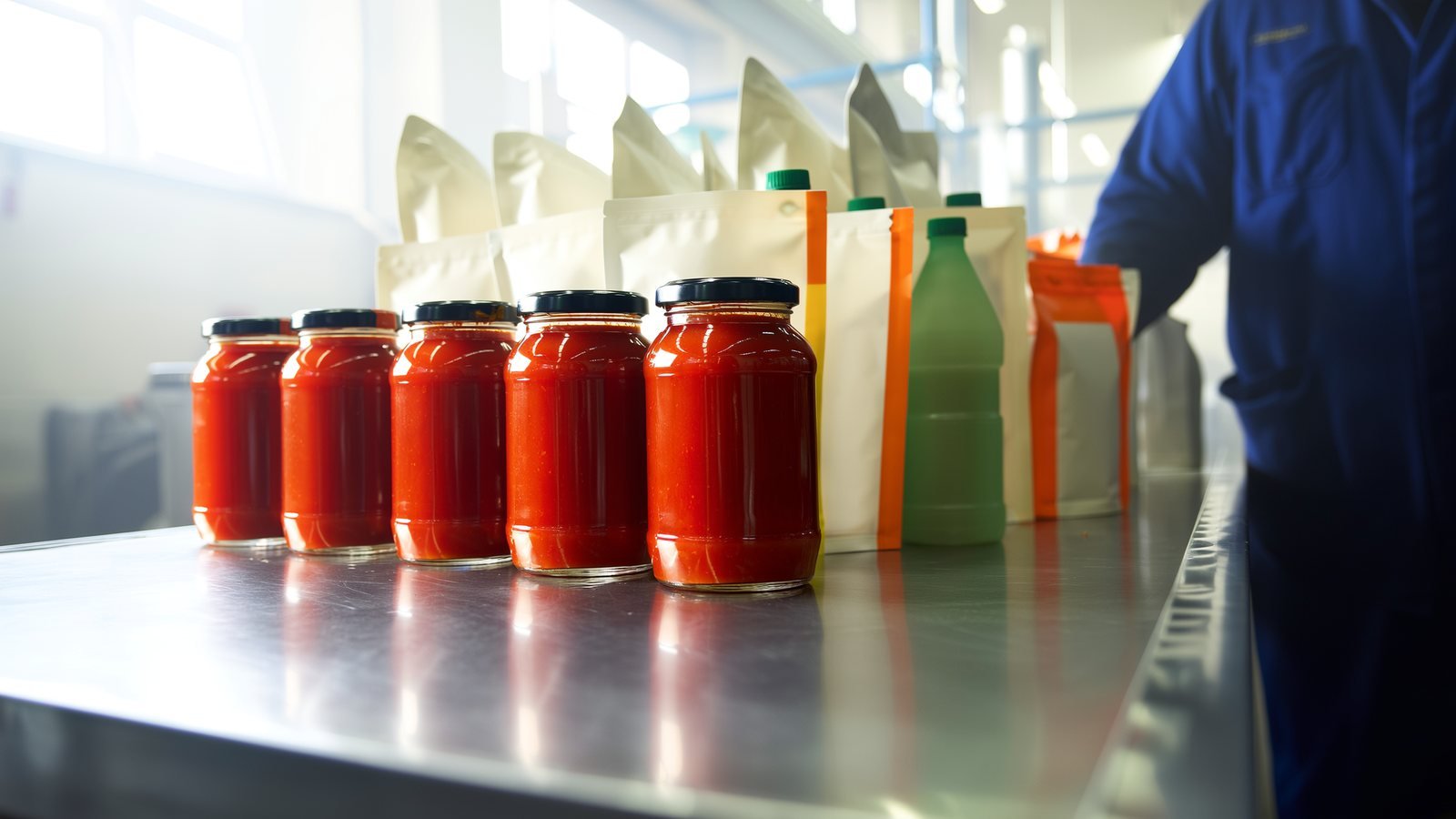
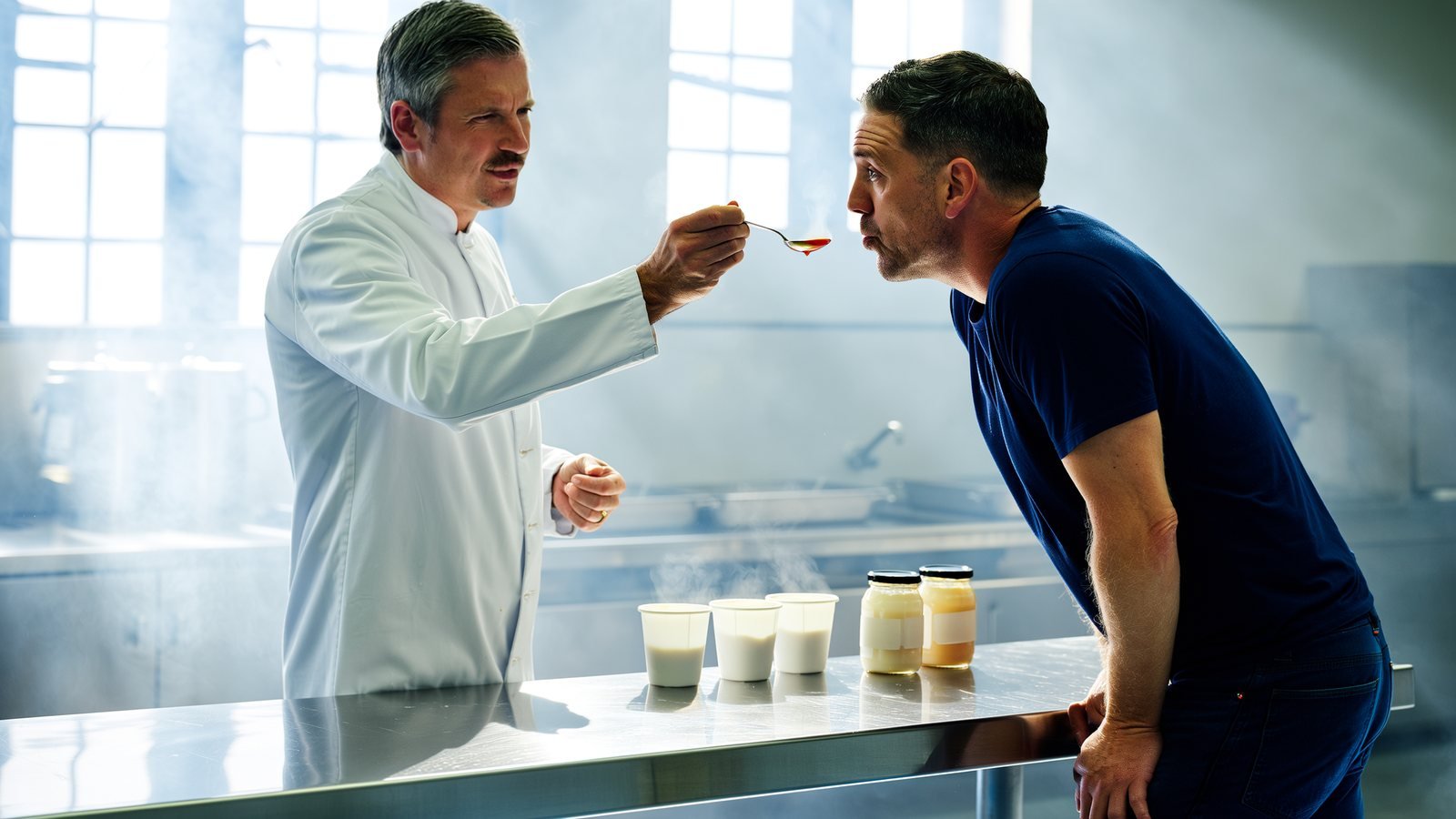
Here's the pattern. A brand calls. They've got a salsa recipe from a grandmother and a Whole Foods buyer who's "interested." They ask you to take a look. Your QA manager spends two days converting cups to grams. Your best operator rigs the small kettle for a 50-gallon trial. You eat four hours of line time and $800 in ingredients. Then the brand takes your scaled formula and shops it to three cheaper plants.
Run the numbers. A loaded food scientist costs $45-$70 an hour. A scale-up trial burns $1,500-$5,000 in labor, materials, and downtime once you count changeover and cleanup. Do this for twenty prospects a year, close five, and you just spent $30,000-$60,000 funding fifteen strangers' shopping trips.
Formulation consultancies charge $10,000-$50,000 for the same work — and they don't own a plant. You own the plant. You're charging zero. That gap is the whole argument.
What co-packer product development services actually include
Most plants already do R&D services for contract manufacturing customers. They just don't name it, scope it, or bill it. Put these on a rate sheet and they become products:
- Bench formulation. Converting a founder's kitchen recipe into a manufacturable formula: commercial ingredients, tolerances, batch documentation.
- Scale-up trials. The hard part of helping a brand scale up food production. A 5-gallon recipe behaves differently in a 300-gallon kettle — heat penetration, shear, viscosity, and particulate integrity all shift.
- Shelf life testing services. Accelerated and real-time studies, run in-house or passed through an outside lab with your markup for managing the work.
- Regulatory support. Scheduled process filings, process authority letters, nutrition panels, label review.
- Packaging validation. Seal integrity, fill tolerances, hot-fill versus cold-fill behavior in the brand's chosen container.
None of that is a favor. Every line is something a brand would pay a consultancy five figures for — from someone who hands them a report and walks away. You hand them a production line.
How to price bench time
Use the same discipline you'd use to price your co-packing services: cost it honestly, then price for value, not sympathy. Here's what plants that actually charge are charging:
| Service | What it covers | Typical range |
|---|---|---|
| Bench formulation | Recipe conversion, ingredient sourcing, cost engineering | $150-$300/hr, or $2,500-$7,500 per project |
| Scale-up trial | Pilot run, process parameters, first-article samples | $1,500-$5,000 per run, plus materials |
| Shelf life study | Accelerated and real-time, micro and sensory | $500-$2,000 per SKU per study |
| Full commercialization | Bench to first production run, specs, labeling | $10,000-$30,000 |
The structure that works for plants worried about scaring off good brands is the credit-back: charge full rate for development, then credit 50-100% of those fees against the first production run above a minimum volume — say, the first 5,000 cases. Serious brands read that as fair. You're not profiting off their R&D; you're making sure it leads somewhere. Unserious brands read it as a paywall. Good. That's the point.
Draw the IP line before the first trial
Unbilled development is bad. Undocumented development is worse. There are only three clean answers to "who owns the formula," and you pick one in writing before the first batch:
- Brand owns it. They brought the recipe or paid full development fees. The formula is theirs, including your scaled version. Your process stays yours.
- Co-developed. You discounted the development work in exchange for exclusivity — they can't take the formula to another plant for a defined term, commonly two to three years.
- Plant owns it. Your base formulation, their label. Private-label economics. If they leave, the formula stays.
The line that matters most: the recipe can be theirs, but the process is yours. Kettle temps, pump speeds, hold times, the sequence tricks that make it run clean on your line — those never transfer. A food-industry attorney will draft a reusable development agreement for $1,500-$3,000. You pay for it once. You use it forever.
The test kitchen is a sales weapon
Here's the part the formulation consultancies can't copy. Priced development work isn't just margin — it's the best qualification filter and the strongest customer lock-in in this business.
The filter first. A signed development agreement with a deposit tells you more than any credit report. It belongs in how you vet CPG brands before taking their business: brands that pay for trials pay for production. A founder who balks at $3,000 was going to be a collections problem at $30,000.
Then the lock-in. Once you've scaled a brand's formula on your equipment — validated the process, run the shelf life study, filed the scheduled process — leaving you costs them six to twelve months. A new plant means re-validation, new trials, new studies, new first articles, and a supply gap their retail buyers won't forgive. Nobody says this out loud. The stickiness is structural.
Which makes the test kitchen your best outbound offer. "We have capacity" is what every plant says. "Run a paid pilot on our line and leave with a validated process and real shelf life data" is an offer no broker or consultancy can match — the kind of concrete first step an outbound engine built for co-packers can lead with instead of a brochure.
Start with a rate sheet, not a lab expansion
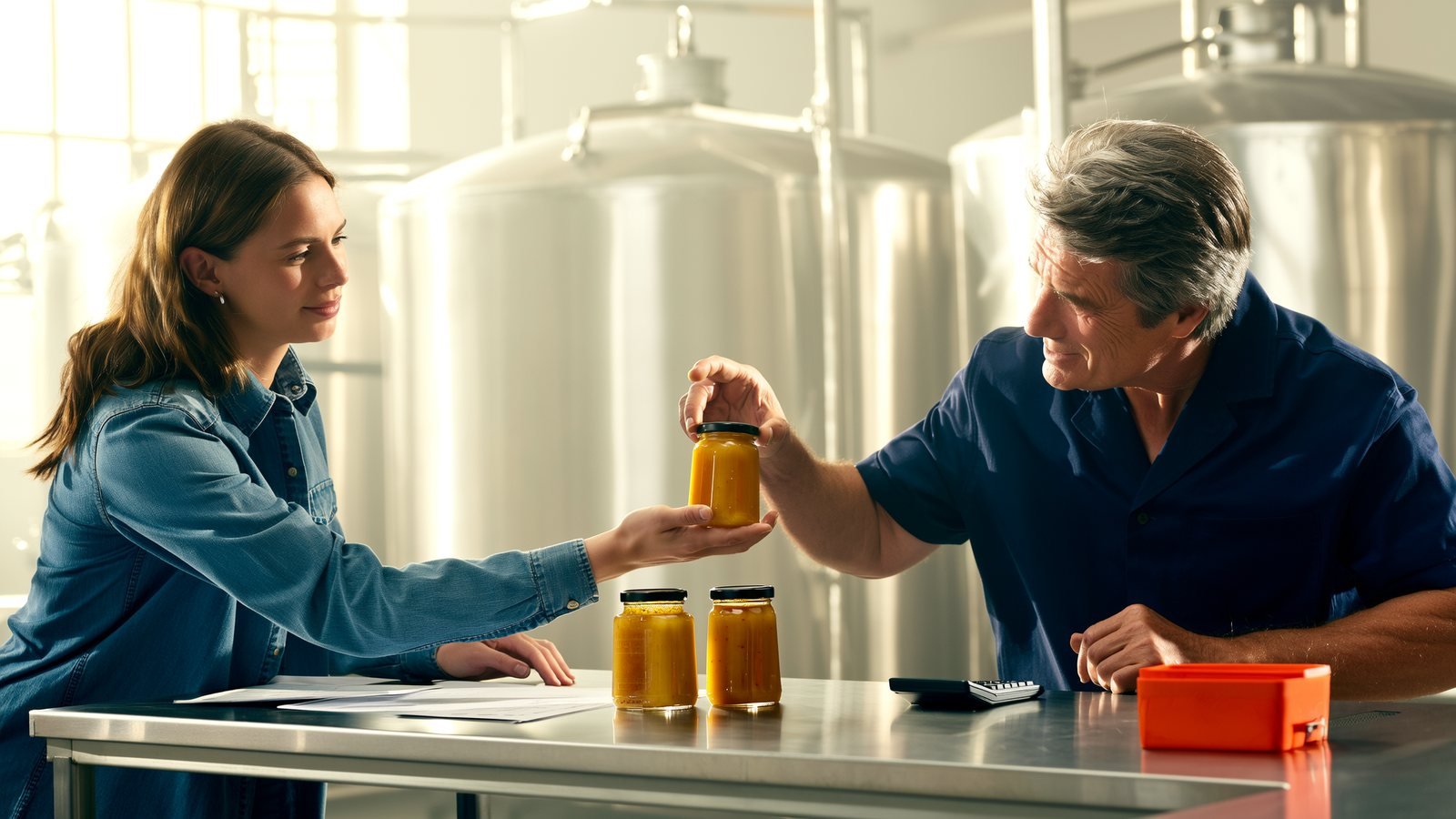
You don't need to build anything. The capability already exists — it's just unbilled. Three moves this quarter: put development services on a one-page rate sheet with real numbers. Get the development agreement drafted. Add one line to your website saying you do this work, because right now the consultancies rank for services your test kitchen already delivers better.
It compounds hardest for focused plants. A 38-person sauce plant that's run two hundred scale-up trials in one category has pattern recognition no generalist lab can fake — one more argument in the specialize-or-diversify decision. Depth makes the same bench hour worth more every year.
Plants that treat development as a favor keep buying leads with free labor. Plants that treat it as a product get paid to acquire their stickiest customers. Same test kitchen. Different P&L.
Frequently asked questions
Q-01How much should a co-packer charge for product development?
Plants that charge at all typically bill $150-$300 per hour for bench formulation, $1,500-$5,000 per scale-up trial, and $10,000-$30,000 for full commercialization of a new product. A common structure is charging full rate, then crediting 50-100% of development fees against the brand's first production run above a minimum volume. The wrong answer is zero — free development attracts the brands least likely to pay for production.
Q-02Who owns the formula when a co-packer develops it?
Whatever the development agreement says — and without one, expect an expensive fight. The standard split: the brand owns the recipe it brought or paid to develop, while the plant keeps its process parameters, equipment settings, and scale-up methods. Put ownership, exclusivity terms, and what happens at exit in writing before the first bench trial.
Q-03Do co-packers offer R&D and shelf life testing services?
Many do, but few market or bill it. Plants with a food scientist on staff commonly handle bench formulation, scale-up trials, shelf life studies (in-house or through an outside lab at $500-$2,000 per SKU), and labeling support. For a plant owner, that capability is a billable service line and the strongest customer lock-in available.
Written by
Akash Garg
Director, DESENO Media Agency
Akash is Director at DESENO Media Agency, the studio behind Feed The Line. He writes about how food & beverage manufacturers turn plant capability into positioning, pipeline, and signed contracts.
DESENO ↗