Key takeaways
- The plant down the road is a lead source that already knows what your line can do.
- Referrals die without a scorecard — price them, count them quarterly, both directions.
- Overflow costs you margin points; a new line costs $250K-$1.5M for a ten-week peak.
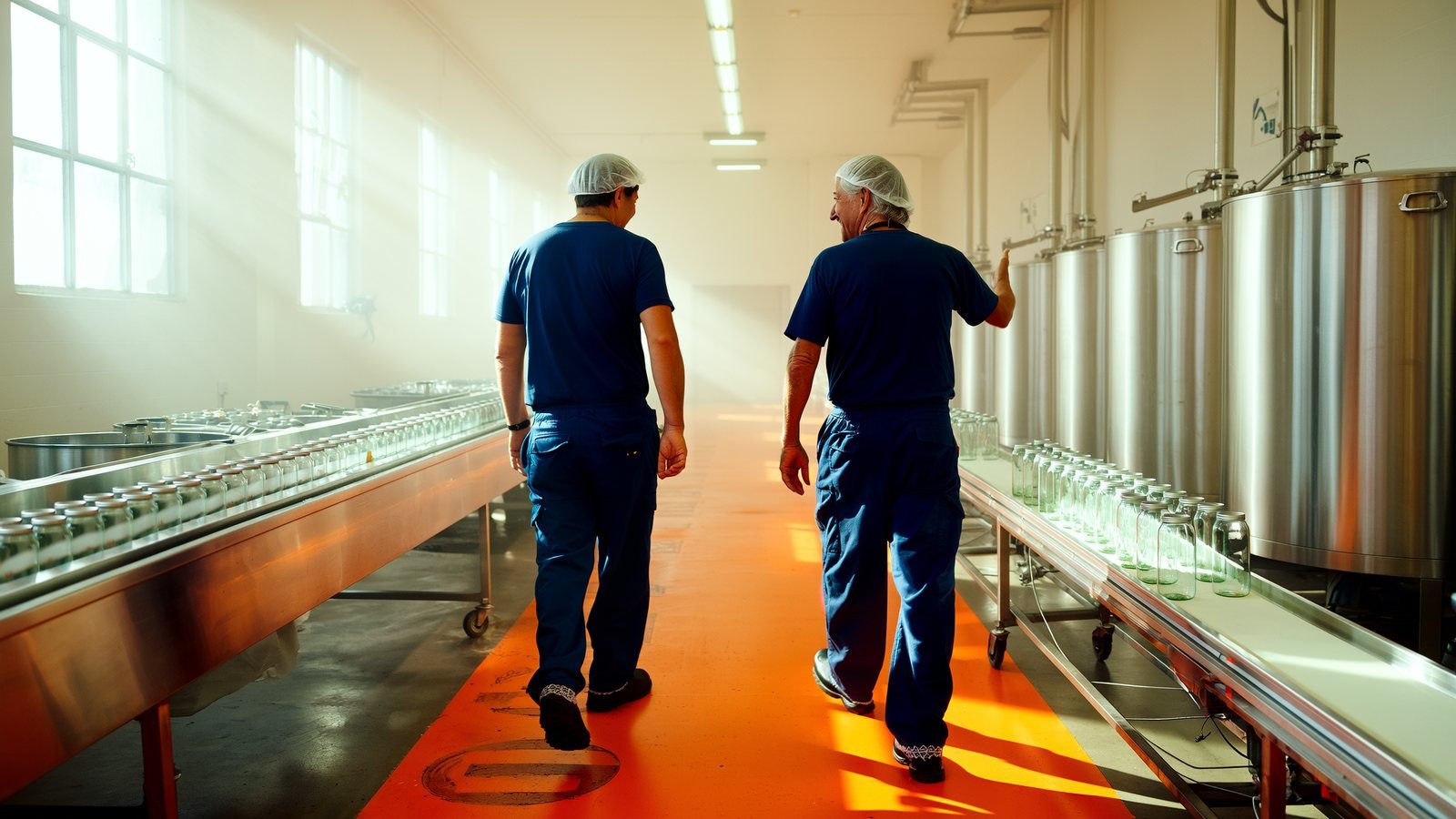
A co-packer overflow agreement is a standing deal with another plant — usually one you'd call a competitor — to take each other's spillover volume and trade the leads that don't fit. It costs a few phone calls and a two-page document. And for a $2-15M plant, it's the rare pipeline channel where every lead arrives pre-qualified by someone who runs the same kind of iron you do.
What a Co-Packer Overflow Agreement Actually Is
Strip it down and it's three clauses between two named plants.
One: overflow. When your schedule is full, your partner runs the spillover at agreed tolling rates — overflow manufacturing capacity you rent by the run instead of building. Two: referral. When a lead lands that doesn't fit your plant — wrong process, wrong run size, wrong certification — it goes to the partner, and a fee or a returned lead comes back. Three: protection. A non-circumvention clause that says neither plant solicits the other's customers. That's the whole machine.
This isn't a capacity marketplace listing, and it isn't a broker deal. No platform fee, no stranger deciding who runs your customer's product. It's you and one other owner, on paper, with names on it.
Why it matters for pipeline: a lead referred by another manufacturer walks in pre-sold. The brand already trusts a co-packer, and that co-packer told them to call you. You skip the three months of proving you're real. No cold channel starts a conversation that warm.
Four Deals Worth Doing With the Plant Down the Road
The overflow agreement is the container. Here's what actually goes in it.
- Peak-season overflow. You bottle beverages and August through October is wall-to-wall. A partner 90 minutes away with slack takes the runs you can't schedule. You either hand the customer off for a referral fee or subcontract the run and keep the relationship. Both beat telling a good brand "call back in November."
- Category swaps. A hot-fill plant fields retort inquiries. A dry-blend plant fields liquid inquiries. Every plant gets leads it can't run, and today most of them die in the inbox. A swap partner turns each dead lead into a banked favor or a check.
- Shared audits. Two plants an hour apart often buy from the same ingredient distributors. Where customers allow it, share supplier audit reports and split the cost — third-party supplier audits run $1,500-$4,000 each. Some partner pairs split a GFSI consultant's day rate the same way.
- Shared freight lanes. If you both ship LTL into the same distribution centers, consolidate into full truckloads. Moving a weekly lane from LTL to truckload can cut that freight bill 15-30% for both plants.
Why Referrals Flow One Way (and How to Fix It)
Here's where most of these arrangements die: one plant sends three leads, gets nothing back, and quietly stops. Nobody announces it. The channel just goes cold.
Reciprocity doesn't survive on goodwill. It survives on structure. Three rules:
- Put a number on it. A referral fee — 2-5% of first-year invoiced revenue, or a flat $1,000-$2,500 per closed account — makes the score explicit. Money settles what memory argues about.
- Count quarterly. A 15-minute call: leads sent, leads received, what closed. If the ledger runs 6-1 for two straight quarters, say so out loud, then fix it or end it.
- Define what counts. A referral is a name, a contact, a product, a volume, and "I told them to call you." A forwarded trade-show badge scan is not a referral.
The mechanics are the same ones that make a referral engine work with brokers, suppliers, and consultants. The difference is that another plant can also take your overflow — which makes the relationship worth more, and the scorecard matter more.
What Goes on Paper
Match the paperwork to the money at stake.
| Structure | What it covers | Where it breaks |
|---|---|---|
| Handshake | Occasional lead swaps, no money changes hands | The first time one side sends real revenue and gets silence back |
| Referral MOU (1-2 pages) | Fee per closed account, non-circumvention, quarterly review | Actual overflow production — it covers none of the quality or liability questions |
| Full overflow agreement | Tolling rates, specs, quality terms, insurance, customer ownership | Rarely — but it takes a lawyer and 30-60 days to put in place |
Start with the MOU. It takes an afternoon and covers lead swapping cleanly. Upgrade to the full agreement the first time actual product runs on the partner's line — that's when quality terms, insurance certificates, and customer ownership stop being theoretical. And name accounts specifically. "The brands each plant introduces remain that plant's customers" beats any general non-compete a lawyer will draft.
The Peak-Season Math
Run the numbers on a common pattern. A 38-person sauce plant in Ohio sits at 110-130% of demand against capacity from September through November, then 60% in February. The owner has four options for the fall crunch: add a line, run weekends, turn work away, or overflow to a partner.
A new filling line runs $250K-$1.5M installed, plus the people to staff it — for a peak that lasts ten weeks. Weekend overtime burns out the crew you'll need in December. Turning work away hands a competitor a customer forever. Overflow costs margin — you might keep 8-15 points on a subcontracted run instead of your full spread — but the customer stays yours and the capex stays in your pocket.
And the deal runs both directions. That partner's spillover is one of the cleaner answers to your own February problem — outside work is exactly how you go about turning idle line time into contract revenue. Treat the overflow agreement as the partnership half of peak-season capacity planning: the forecast tells you when you'll hit the wall; the partner decides what happens to the volume on the other side of it.
Build the Co-Manufacturer Referral Network Before You Need It
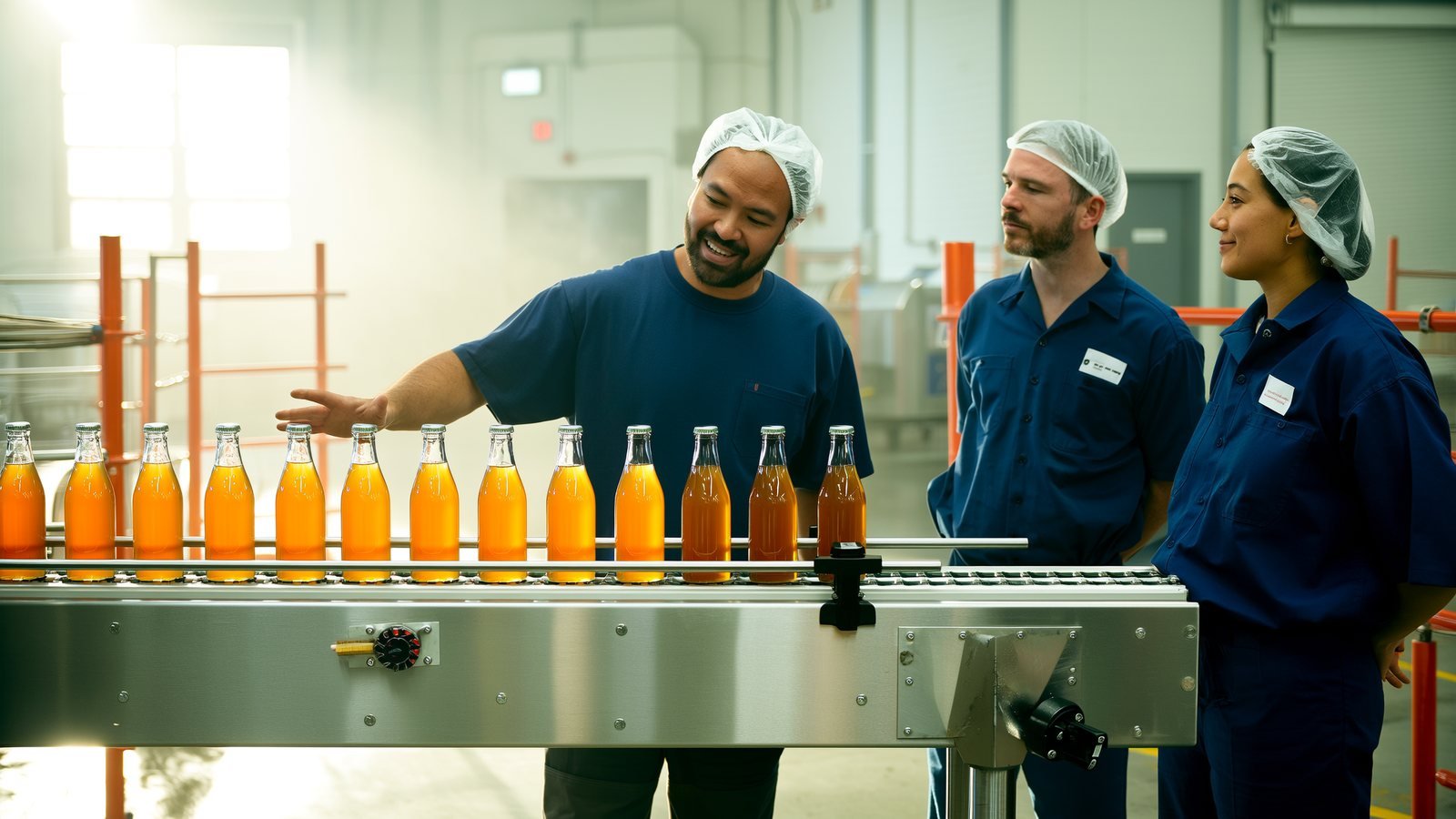
One partner is an agreement. Three to five is a co-manufacturer referral network — and that's the version that changes your pipeline, because the coverage compounds. Map the plants within a day's drive by process: who runs retort, who runs hot-fill, who does dry blend, who's organic-certified. You're not looking for a clone of your plant. You're looking for plants whose no is your yes.
Open the conversation when you need nothing. A trade show aisle, a supplier's open house, a cold call between owners. "Here's what we run, here's what we turn away — what do you turn away?" is a ten-minute conversation almost any owner will take, because an excess capacity partnership is the cheapest manufacturing flexibility either of you will ever buy.
Then treat it like a channel, not a friendship. Someone in your building owns the list, the quarterly calls, and the scorecard — the same discipline an outbound engine puts behind brand outreach, which is the work we do at Feed The Line, pointed at eight plants instead of eight hundred brands. The plant down the road was never just a competitor. It's the only lead source that already knows what your line can do.
Frequently asked questions
Q-01What is a co-packer overflow agreement?
It's a standing contract between two co-manufacturers where each takes the other's spillover volume during peak season and refers leads that don't fit its equipment or minimums. Most include tolling rates, a referral fee, and a non-circumvention clause protecting each plant's customers. It usually starts as a one- to two-page MOU and expands into a full agreement when actual production changes hands.
Q-02How much should a co-packer pay for a referral from another manufacturer?
Common structures are 2-5% of first-year invoiced revenue or a flat fee of $1,000-$2,500 per closed account. Some plant pairs skip cash and run a quarterly scorecard of leads exchanged instead. Whatever you pick, put the number in writing — unpriced referrals are the ones that stop coming.
Q-03Do I have to tell my customer another plant is running their product?
Yes. Most supply agreements require disclosure and approval of any subcontracted production, and quietly moving a run is a fast way to lose the account and pick up liability. Present the partner plant along with its audit history, and keep your own QA responsible for releasing every lot.
Written by
Akash Garg
Director, DESENO Media Agency
Akash is Director at DESENO Media Agency, the studio behind Feed The Line. He writes about how food & beverage manufacturers turn plant capability into positioning, pipeline, and signed contracts.
DESENO ↗